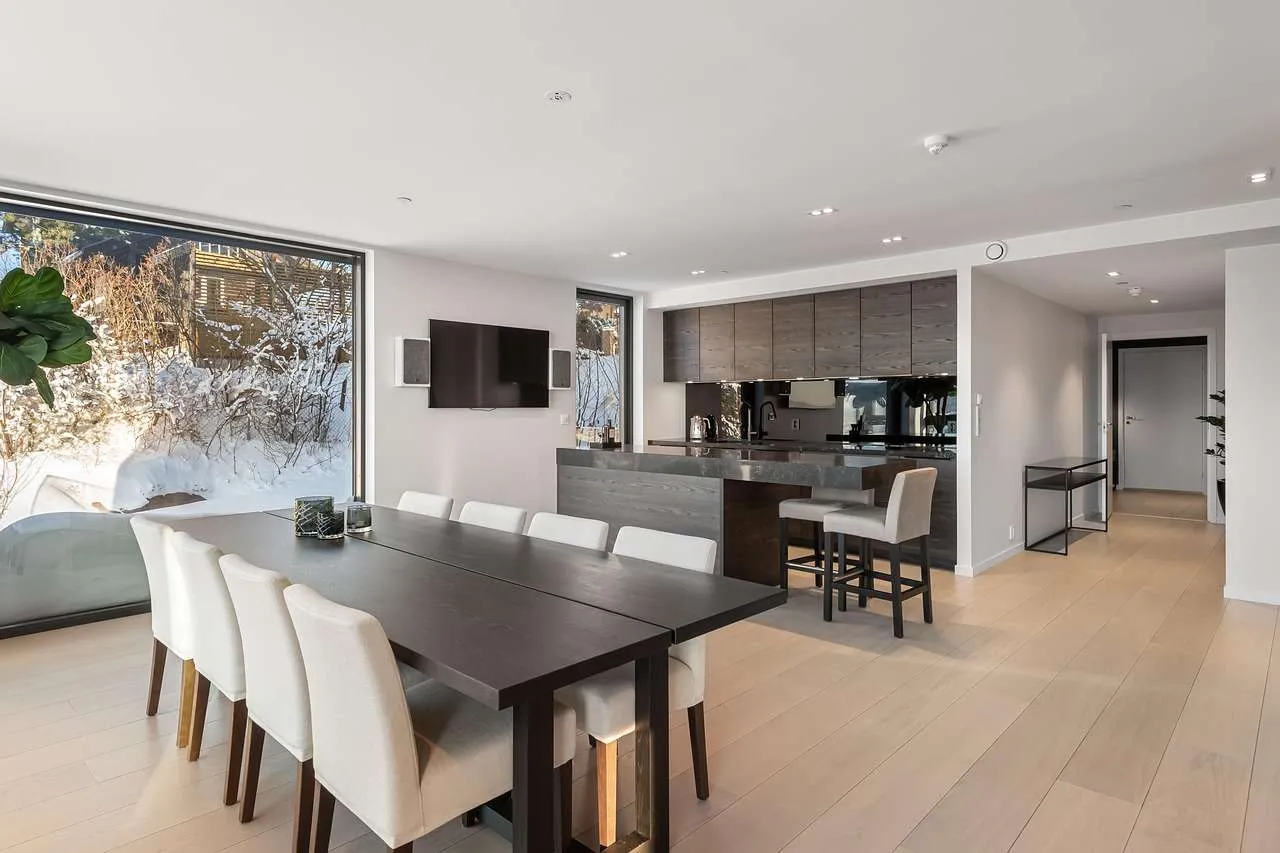
Home window repair is a practical way to extend the life of your property, improve energy efficiency, and maintain curb appeal. When performed by a skilled technician, repairs can fix drafts, moisture intrusion, and operating issues without the expense and mess of full replacements.
Why Home Window Repair Matters
Repairing windows protects your home’s structure, reduces energy waste, and preserves original architectural details. Damaged seals, warped sashes, and cracked glazing can lead to higher heating and cooling costs, moisture problems, and mold risk. By addressing these issues promptly, homeowners can maintain safety, comfort, and the overall value of their property.
Signs a window needs repair
- Persistent drafts or cold spots near a window
- Condensation between panes or fogging on the glass
- Difficulty opening or closing the sash
- Rotted frames, peeling paint, or soft spots around the window
- Noises, sticking, or unusual vibrations when operating the window
These issues often indicate worn seals, deteriorating gaskets, or structural wear in the frame—problems that a qualified window repair technician can typically diagnose and correct.
DIY vs Professional Window Repair
DIY projects can be appropriate for simple maintenance, such as cleaning tracks, lubricating hinges, or replacing weatherstripping. Complex problems involving glass replacement, seal failures, or frame rot should be handled by a licensed professional. Incorrect glazing, improper insulation, or unsafe glass handling can create safety hazards or reduce energy performance. Choosing a pro also helps ensure warranties remain valid and that the work complies with local building codes.
The Repair Process: What to Expect
Reputable window repair providers typically follow a structured process to ensure accuracy and safety:
- Inspection and diagnosis: A technician visually inspects the frame, sash, glazing, and hardware, often using moisture meters to detect hidden damage.
- Proposal and parts: The team explains the recommended repair, whether seals, weatherstripping, sash adjustment, glazing, or glass replacement, and provides a clear cost estimate.
- Repair/installation: Replacement panes, sealant resealing, or hardware replacement is performed with proper safety practices.
- Testing and cleanup: Windows are tested for smooth operation and proper sealing; the work area is cleaned and debris removed.
Most repairs can be completed in a few hours to a day, depending on the window type and extent of damage. If a full replacement is necessary, the installer will discuss options and lead times for custom frames and glass.
Materials, Techniques, and Safety
Professional repairs use materials designed for performance and longevity. Common techniques include re-glazing with high-quality glazing compounds, resealing gaps with weatherstripping, and replacing worn hardware. For insulated or double-pane units, technicians may replace the glazing bead, reseal the perimeter, or revalidate the spacer system to restore energy efficiency. Safety considerations include proper glass handling, significant-height work, and securing fragile frames to prevent structural damage.
Cost Considerations and ROI
Costs vary by window type, scope of work, and regional labor rates. Typical repair ranges include minor fixes at a low hundreds of dollars and more extensive seal or sash work that may approach the cost of a partial pane replacement. While replacement windows incur higher upfront costs, they can offer meaningful energy savings and improved performance over time. Proper repairs can extend the life of existing units by several years, protecting your investment and often reducing utility bills as well.
Choosing a Home Window Repair Service
When selecting a contractor, prioritize expertise, credibility, and accountability. Look for:
- Licensed and insured technicians with local references
- Clear written estimates, including parts, labor, and timelines
- Manufacturer training or certifications for your window brand
- Warranty options on both parts and labor
- Evidence of positive reviews and a portfolio of completed projects
Ask about energy performance considerations, such as high-E coatings, low-emissivity glazing, and proper spacer systems, to ensure the repair contributes to long-term efficiency. A transparent contractor will assess your goals—comfort, noise reduction, and value—and align the work with your budget and home design.
Maintenance Tips to Extend Window Life
Regular maintenance is key to prolonging window life and preserving performance. Schedule seasonal inspections, clean tracks and sashes, lubricate moving hardware, and replace worn weatherstripping as needed. Clean glass with non-abrasive cleaners to avoid coating damage, and promptly address moisture intrusion to prevent rot or mold. Keeping up with small fixes prevents costly repairs later and supports consistent energy efficiency.
Repair vs Replacement vs DIY: A Quick Comparison
| Option | Pros | Cons | Typical Cost | Longevity |
|---|---|---|---|---|
| Repair | Lower cost, preserves framing, quicker turnaround | Limited to the defect scope; may not fix all issues | $100-$500 per pane | Several years to decades depending on issue |
| Replacement | New seals, better energy efficiency, modern features | Higher upfront cost, longer installation | $400-$1200+ per window | 20-40 years |
| DIY | Lowest immediate cost, learning opportunity | Safety risks, potential for incorrect repair | Varies | Depends on maintenance and skill |
By weighing these options against your window’s age, condition, and energy goals, you can make an informed decision that balances performance with budget.
Conclusion, selecting the right approach for home window repair requires a combination of technical assessment, reputable service, and ongoing maintenance. With the right professional and a proactive care plan, you can improve comfort, save on energy, and protect your home’s value for years to come.